Birth Month Flowers: Stories Told Through Nature
Posted on 14/08/2025
Birth Month Flowers: Stories Told Through Nature
Flowers have long been celebrated as symbols of emotion, love, and memory, but did you know that each month of the year has its own unique flower? Birth month flowers are deeply rooted in history, tradition, and folklore. These gorgeous blooms do more than just represent the time of your birth--they also tell uplifting, sometimes mysterious stories passed down through generations. In this comprehensive guide, we'll embark on a fascinating journey to discover the hidden meanings, symbolism, and stories entwined with birth flower traditions. Get ready to unveil the magic of nature through the exquisite lens of birth month flowers!
Introduction to the Language of Birth Month Flowers
Since ancient times, people have associated significant symbolism with flowers. In the Victorian era, floriography--also known as the language of flowers--rose to popularity as a subtle way to convey feelings and messages that were considered inappropriate to speak out loud. Birth flowers, like birthstones, became a cherished tradition connecting individuals to the natural world and seasonal cycles.
Each birth flower carries a unique story, with its origins rooted in mythology, folklore, and cultural traditions from around the world. When you discover your personal birth month flower, you gain insight into both yourself and the living history that has shaped this unique floral heritage.
Why Celebrate Birth Month Flowers?
Recognizing the flower of your birth month offers more than aesthetic pleasure. Here are several reasons why these blooms are significant:
- Personal Connection: Each bloom offers a symbolic reflection of your personality.
- Gift-Giving Tradition: Birth flowers are heartfelt gifts that show thoughtfulness and meaning.
- Storytelling: They represent tales and myths that enrich family and cultural history.
- Nature's Cycle: Birth month florals reflect the essence of the seasons and the rhythm of nature.
The Complete Guide to Birth Month Flowers and Their Stories
January: Carnation & Snowdrop
Carnation: Symbolizing love, fascination, and distinction, carnations brighten the frostiest of months. Legend has it that these hardy blooms sprang from the tears of the Greek goddess Diana, representing the resilience and warmth needed to carried through winter.
Snowdrop: These early white blooms signal hope and new beginnings. In many cultures, snowdrops are seen as a promise that spring will soon conquer winter's cold grasp, telling a story of renewal with their delicate yet determined presence.
February: Violet & Primrose
Violet: This modest purple flower stands for loyalty, faithfulness, and humility. In Roman mythology, violets were once maidens transformed by Venus, symbolizing protection and remembering loved ones.
Primrose: An emblem of young love, primroses are often associated with the phrase "I can't live without you." Their soft petals usher in hope and the first stirrings of spring.
March: Daffodil
Daffodil: The golden daffodil, or narcissus, is a burst of sunshine after the long winter. According to Greek legend, the narcissistic youth Narcissus was transformed into a daffodil. Admired as a symbol of new beginnings, rebirth, and unrequited love, their appearance signals the start of brighter days.
April: Daisy & Sweet Pea
Daisy: Daisies symbolize innocence, purity, and new beginnings. The Norse goddess Freya's sacred flower, daisies, are entwined with stories of motherhood, childbirth, and the unstoppable force of nature's renewal.
Sweet Pea: Marking departures and goodbyes, sweet peas also celebrate blissful pleasure. Victorian courtiers would send sweet peas in fragrant bouquets to express gratitude or bid farewell.
May: Lily of the Valley & Hawthorn
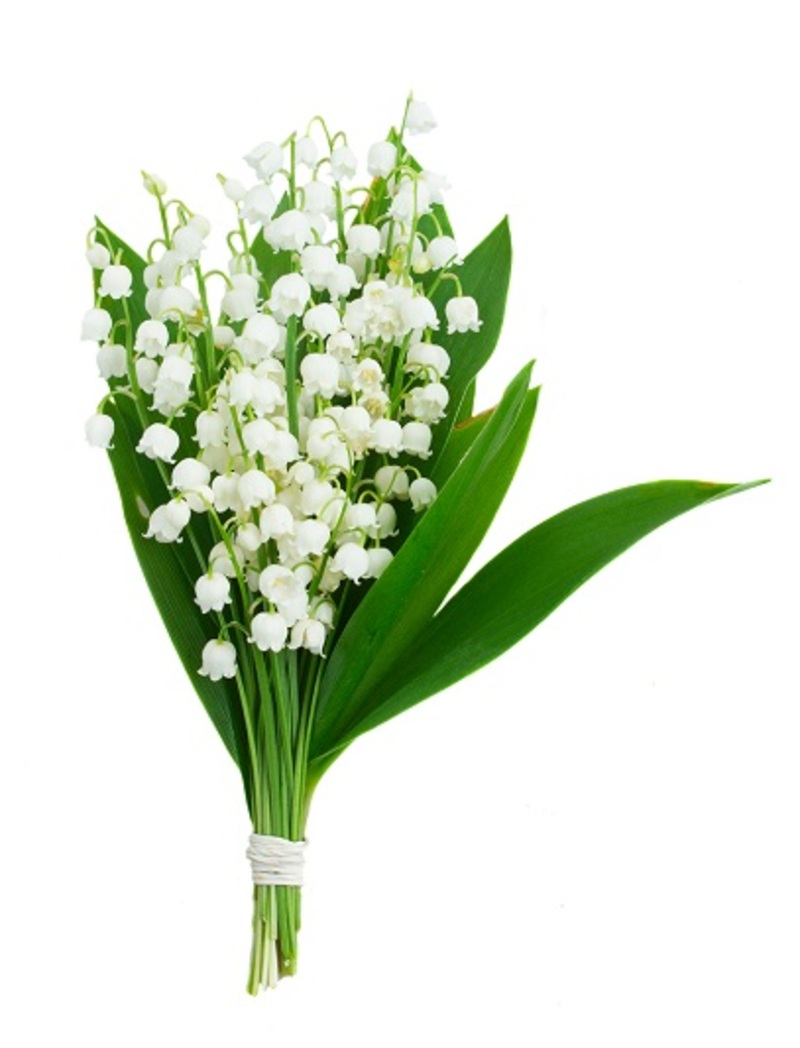
Lily of the Valley: With their bell-shaped blossoms, these delicate flowers represent humility, happiness, and purity. Folklore notes they were created from Eve's tears as she was expelled from the Garden of Eden--a poignant story of hope and forgiveness.
Hawthorn: Known as the "Mayflower," hawthorn is a symbol of hope and supreme happiness. In Celtic mythology, it is regarded as magical, guarded by fairies and spirits of the land.
June: Rose & Honeysuckle
Rose: Universally known as the flower of love and passion, June's birth flower comes in a dazzling array of colors, each with its own secret message. In Greek myths, roses took root from Aphrodite's footprints, eternally binding them to romance and desire.
Honeysuckle: Linked to bonds of affection, honeysuckles also evoke the sweet nostalgia of childhood and simple joys. Their intoxicating scent lingers as a reminder of cherished memories.
July: Larkspur & Water Lily
Larkspur: These tall, majestic blooms symbolize an open heart, lightness, and grace. In Native American legends, larkspur petals were seen as steps for spirits descending from the heavens to visit the earth.
Water Lily: Renowned for purity and majesty, water lilies emerge from muddy waters to display breath-taking blossoms. In Eastern traditions, they are powerful emblems of enlightenment and spiritual rebirth.
August: Gladiolus & Poppy
Gladiolus: Often called "sword lilies," gladiolus flowers represent strength, moral integrity, and victory. Legend says Roman gladiators carried these blooms into battle as tokens of courage and protection.
Poppy: Poppies stand for remembrance, imagination, and peace. The scarlet poppy in particular has become a symbol for honoring fallen soldiers, telling a solemn story of sacrifice and hope.
September: Aster & Morning Glory
Aster: Named after the Greek word for "star," asters are associated with wisdom, valor, and faith. Ancient tales describe the goddess Astraea scattering stardust across the earth, which blossomed into radiant asters.
Morning Glory: With their luminously colored petals, morning glories symbolize affection and the fleeting beauty of a new day. In Victorian times, they conveyed the message of unrequited love.
October: Marigold & Cosmos
Marigold: Known for their brilliance, marigolds signify creativity, passion, and warmth. In Mexican culture, they play a central role in Dia de los Muertos, as offerings to guide spirits home.
Cosmos: Representing order and harmony, cosmos flowers' symmetry makes them a symbol of tranquility and peace. The ancient Aztecs believed they brought balance to the universe.
November: Chrysanthemum
Chrysanthemum: Signifying loyalty, longevity, and joy, chrysanthemums are hailed as the queen of autumn flowers. In Asian cultures, they are honored as a symbol of happiness and the full, vibrant life.
December: Narcissus & Holly
Narcissus: Not just appearing in March, narcissus is also honored in December to signify rebirth and hope at the close of the year. Its mythological roots help us reflect on cycles of endings and beginnings.
Holly: With its evergreen leaves and cheerful red berries, holly represents protection, goodwill, and celebration. Ancient Druids believed holly kept evil spirits at bay during the harshest winter days.
Unique Ways to Embrace Your Birth Month Flower
Birth month flowers make for meaningful gestures, mementos, and even lifestyle accents. Here are creative ideas to infuse your life (and your loved ones') with the magic of seasonal florals:
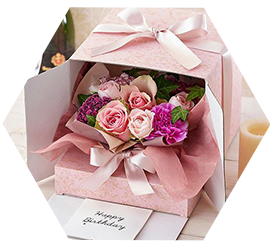
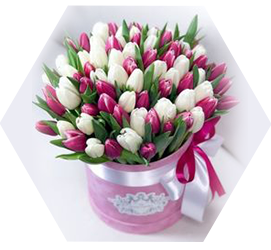
- Bouquets and Arrangements: Gift a bouquet featuring someone's birth flower as a personalized touch on birthdays and special occasions.
- Jewelry and Accessories: Wear your birth flower as a charm, necklace, or brooch to keep its symbolism close each day.
- Home Decor: Incorporate birth flower prints, dried arrangements, or artwork into your living space for a unique connection with nature's rhythms.
- Journaling or Scrapbooking: Press your birth flower in a journal and record its story, creating a keepsake for future generations.
- Gardening: Plant birth flowers in your garden or window box as a living tribute to family heritage and seasonal beauty.
The Enduring Appeal of Birth Month Flowers: Nature's Storytellers
Why are birth month flowers so cherished, even today? It's their ability to weave together personal identity, culture, and nature itself. Each bloom, with its color, form, scent, and story, is a unique chapter in the broader tapestry of our lives. When we pause to appreciate these living gifts, we participate in ancient traditions--connecting with our ancestors, our communities, and the natural world that surrounds us.
Modern Interpretations of Birth Month Florals
Today's fascination with birth month flowers has only deepened with our desire for personalized experiences and eco-friendly practices. Florists now curate seasonal, locally-grown bouquets honoring birth blooms, while artists and jewelry designers immortalize each flower's beauty in stunning creations.
As society looks for meaningful ways to celebrate milestones, honor relationships, and practice mindfulness, the stories told through birth month flowers hold a timeless appeal. They encourage us to slow down, notice the subtle shifts in seasons, and appreciate the quiet wisdom offered by the natural world.
Conclusion: Discover Your Own Birth Month Flower Story
Beneath the surface beauty of every birth month blossom lies a story uniquely its own--a tale of tradition, myth, and enduring symbolism. Whether gifting them, growing them, or simply learning their lore, birth month flowers offer a meaningful way to celebrate yourself and those you cherish. Let nature's language guide you to deeper understanding, connection, and inspiration.
So, what is your birth flower? Explore its heritage and let its story color your life with the vibrant beauty of nature!
Frequently Asked Questions
- How do I find my birth month flower?
Your birth flower corresponds to the month you were born. Refer to the list above or consult florists specializing in birth month arrangements. - Can I have more than one birth flower?
Yes, some months feature two official flowers, each with its own symbolic story and meaning. - Are birth flowers different in other cultures?
Absolutely! While the Western tradition is common, other cultures observe their own symbolic flowers connected to lunar months or the zodiac.
Celebrate your story--the story told through the flower of your birth month--with every petal and every stem.
Latest Posts
Extend the Lifespan of Your Poinsettias with Care
Birth Month Flowers: Stories Told Through Nature
Essential Hydrangea Care for Vibrant Blooms